The Art of Map Making
A look at the craftsmanship and artistry involved in creating physical maps.

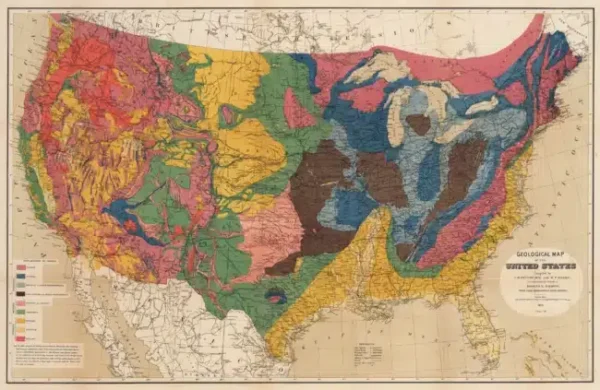
Credit manuscriptmaps
Maps are not just tools for navigation—they are masterpieces of precision and creativity, blending science, art, and history. Let’s delve into the artistic and technical genius behind the making of physical maps, celebrating the craftsmanship that has shaped our understanding of the world.
“A map of the world that does not include Utopia is not worth even glancing at, for it leaves out the one country at which Humanity is always landing. And when Humanity lands there, it looks out, and, seeing a better country, sets sail. Progress is the realisation of Utopias.” ― Oscar Wilde, The Soul of Man Under Socialism
The Intersection of Science and Art
Creating physical maps is a delicate balance of precision and beauty. On one hand, cartographers must ensure scientific accuracy by working with geographical data, while on the other, they use artistic techniques to make maps visually engaging and comprehensible.
Scientific Foundations:
Every map begins with mathematical calculations—latitude, longitude, and projection systems are the backbone. Techniques like triangulation and geodetic surveys ensure accuracy.
Artistic Flair:
Adding intricate designs, ornate compass roses, and detailed illustrations, cartographers transform a dry set of data into a work of art.
The Role of Handcrafted Techniques
Before modern technology, maps were crafted by hand—a painstaking process requiring expertise in various skills, including:
- Draftsmanship: Every line, river, and mountain range was meticulously drawn by hand, often with tools like compasses and rulers.
- Calligraphy: Labels and annotations were written in elegant styles, adding a personal touch to each map.
- Illumination: Some maps, especially during the Renaissance, were illuminated with gold leaf and vibrant colors, reflecting their value as treasured artifacts.
Did You Know?
- Early mapmakers often included mythical creatures or ornamental borders to fill unknown territories, blending storytelling with geography.
- Some 16th-century maps used vellum (calfskin) as their canvas, making them durable and luxurious.
Masterpieces of Cartographic Art
Maps throughout history have showcased stunning craftsmanship:
- The Hereford Mappa Mundi (13th Century): This medieval map illustrates not just geography but the worldview of its time, combining religious imagery and geographical data.

- Abraham Ortelius’ Theatrum Orbis Terrarum (1570): Considered the first modern atlas, it combines scientific rigor with artistic excellence.

Modern Applications of Traditional Techniques
While technology has revolutionized cartography, many modern artists and designers draw inspiration from classic techniques. Some even revive old methods to create decorative maps for collectors or art enthusiasts.
Why the Craftsmanship of Maps Matters
The artistry involved in map-making reminds us that maps are more than navigation tools—they are symbols of human ingenuity. By blending data, history, and creativity, maps:
- Inspire curiosity about the world.
- Preserve historical perspectives on geography.
- Celebrate cultural heritage through artistic details.
Embrace the Beauty of Maps
Whether you’re a history buff, an artist, or an adventurer, explore the world of cartographic artistry. Visit museums, collect antique maps, or try your hand at designing your own!
- Tip for Collectors: Look for maps with unique embellishments or rare details—they hold the stories of a bygone era.
Topographic Maps – An Introduction
